.jpg)




Flight Tests—How not to Fail . .
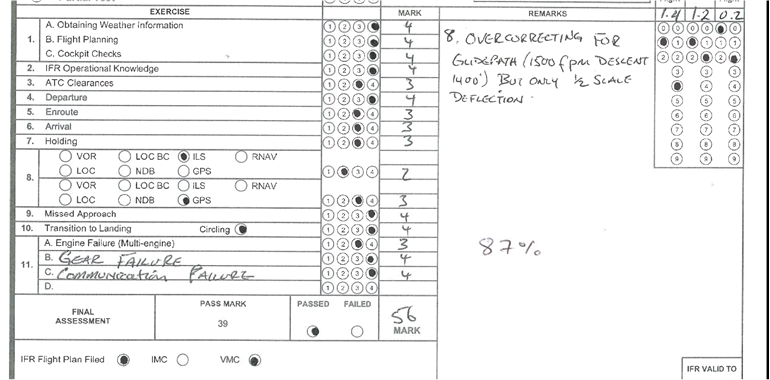
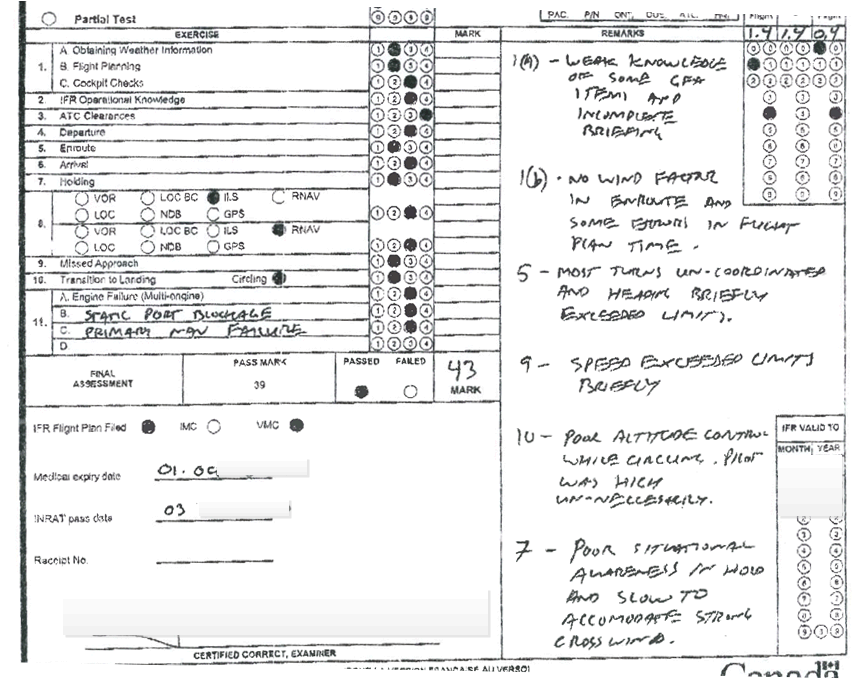
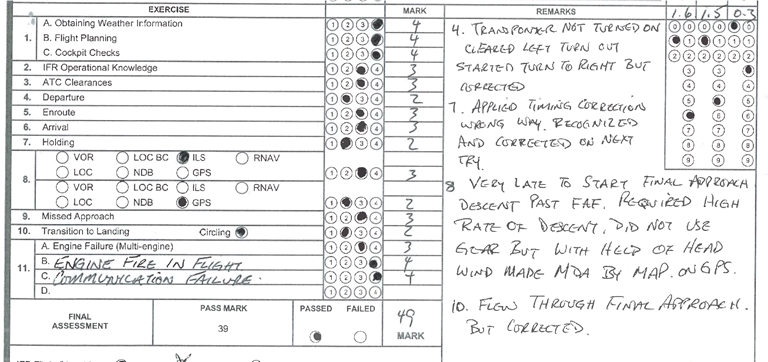
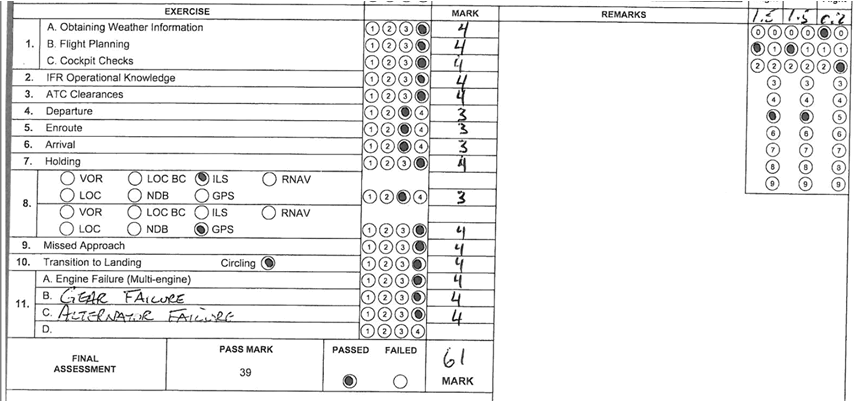
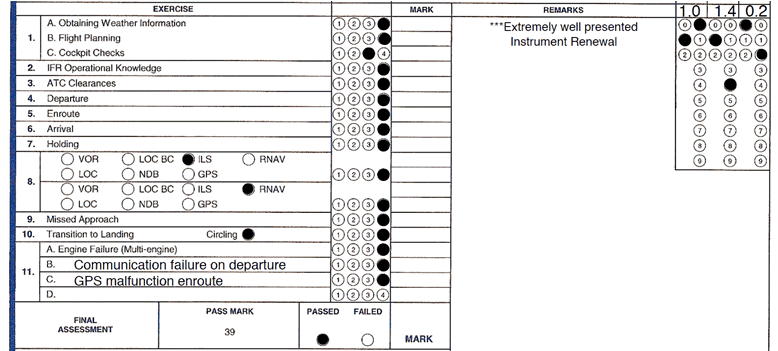
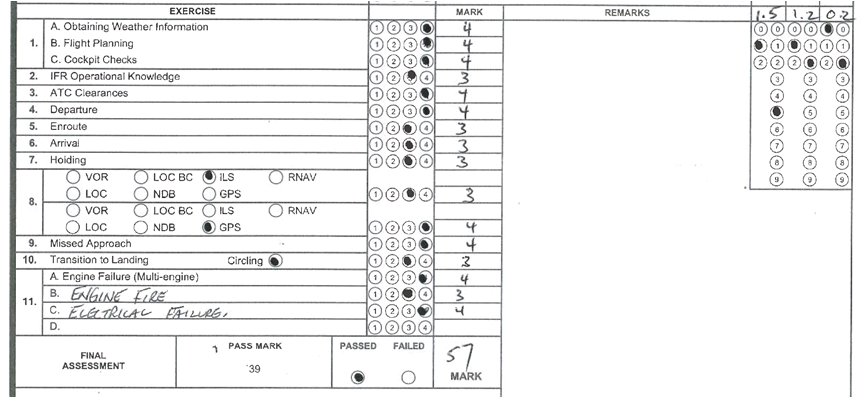
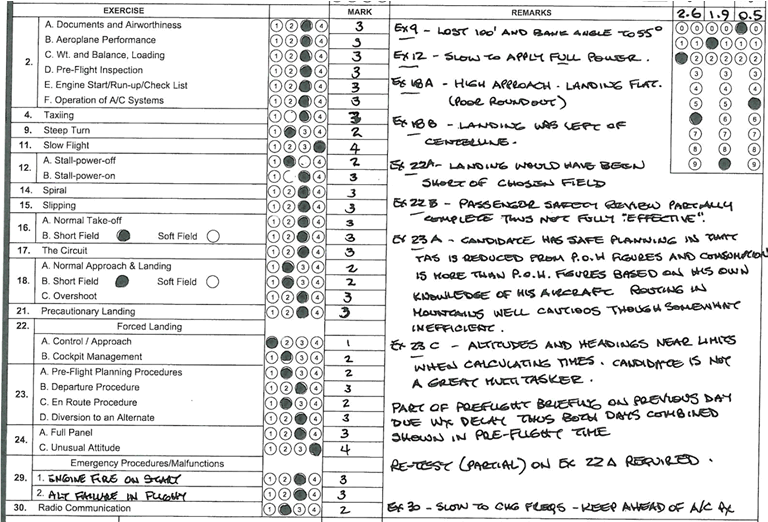
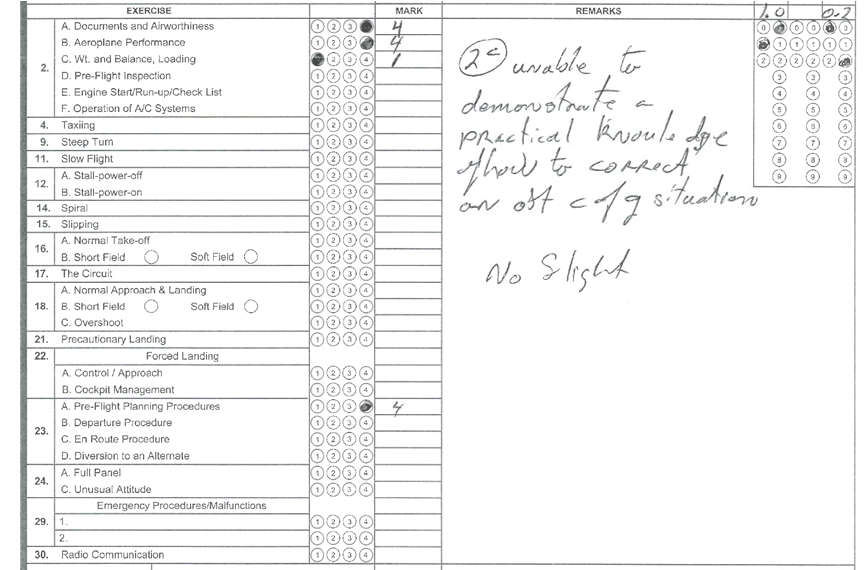
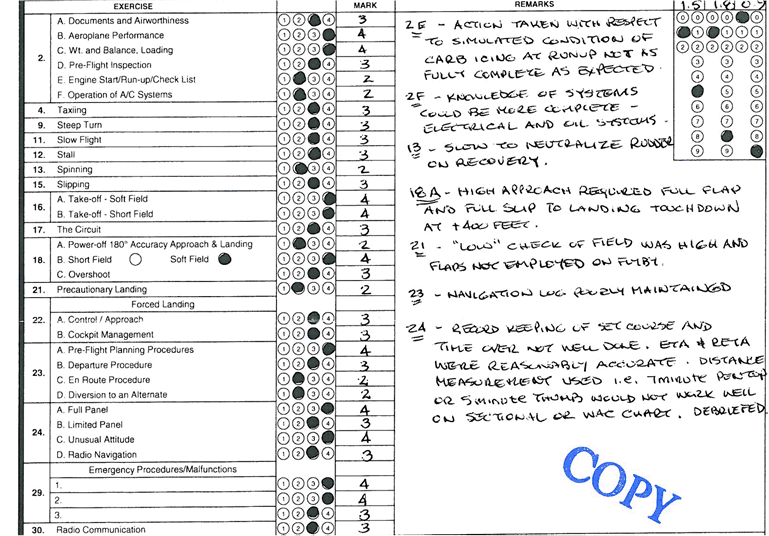
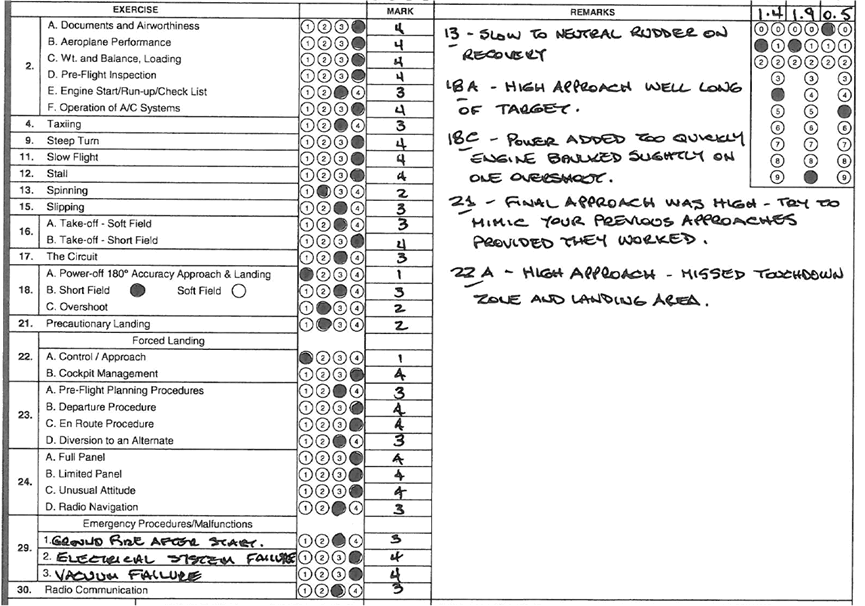
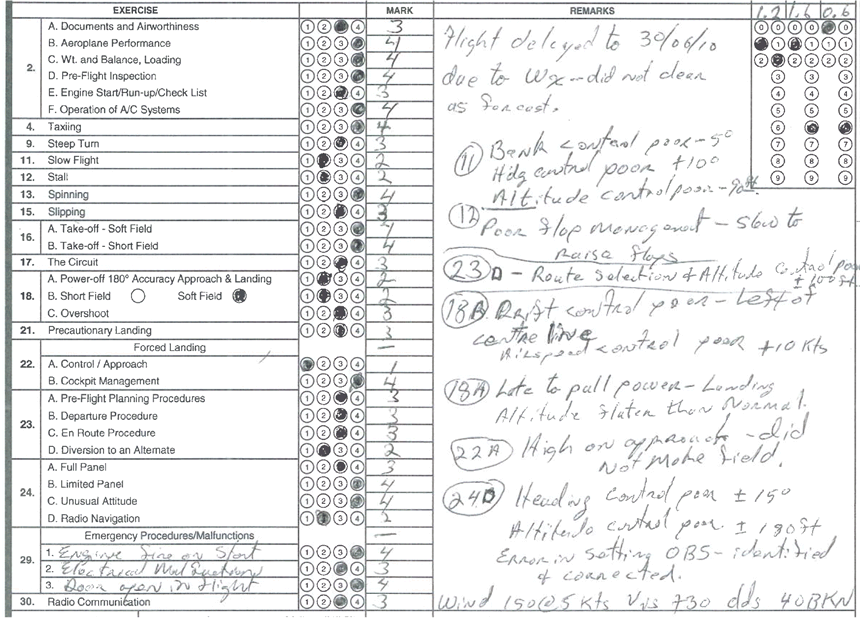
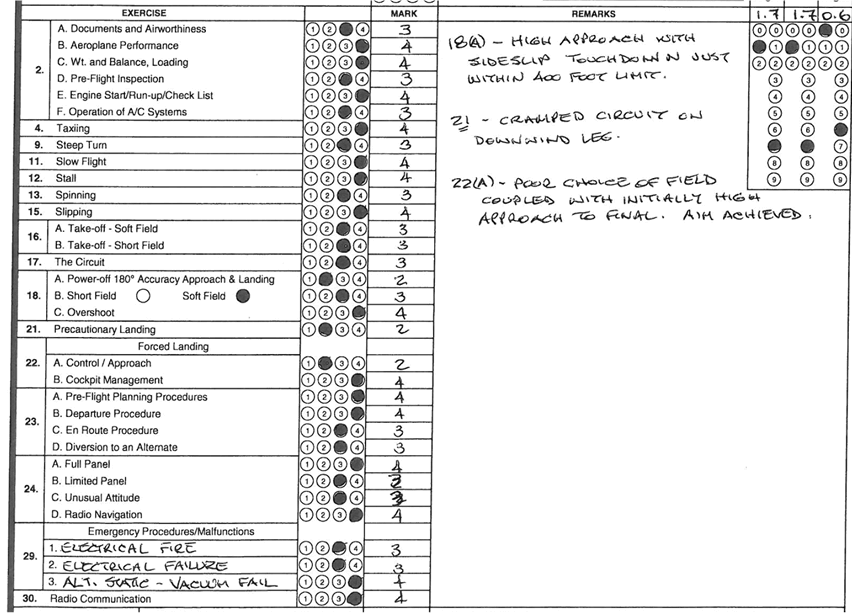
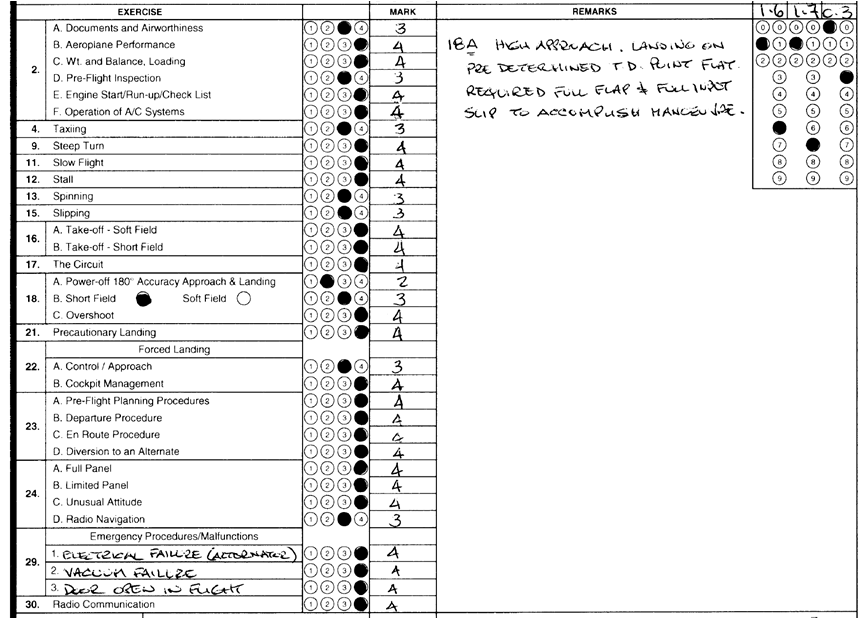
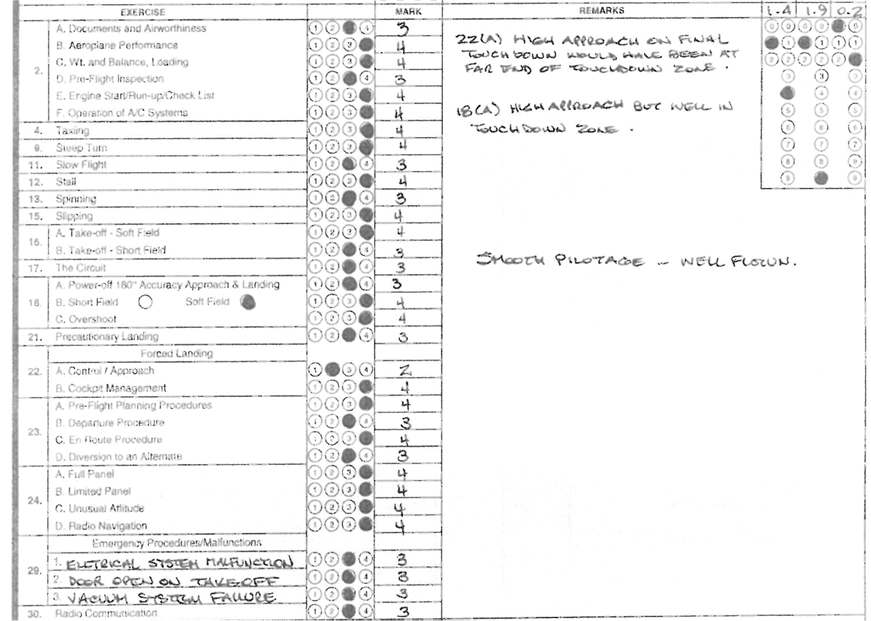
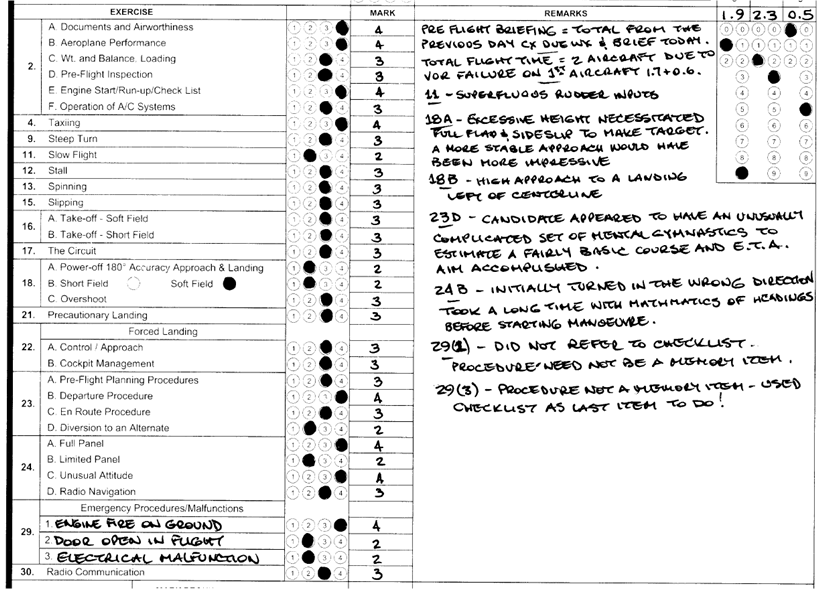
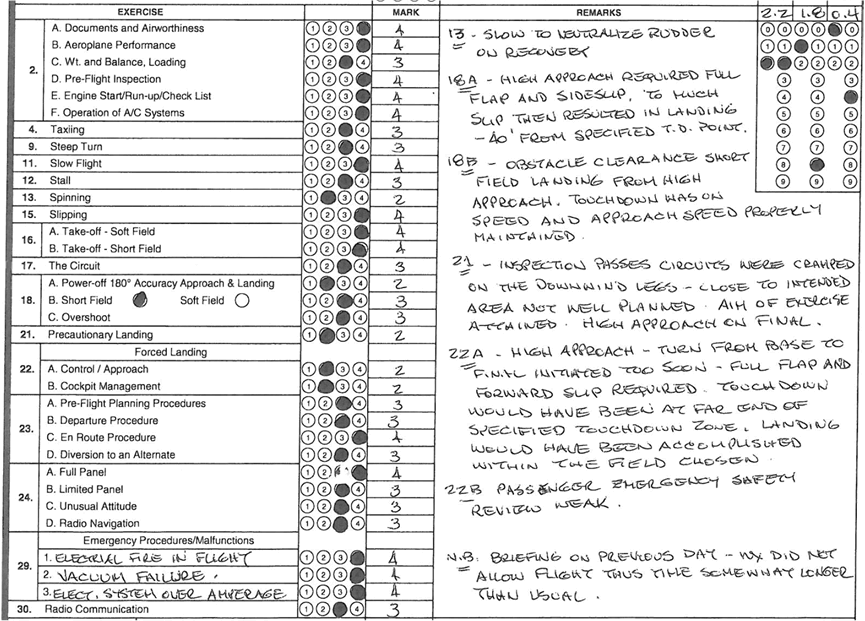
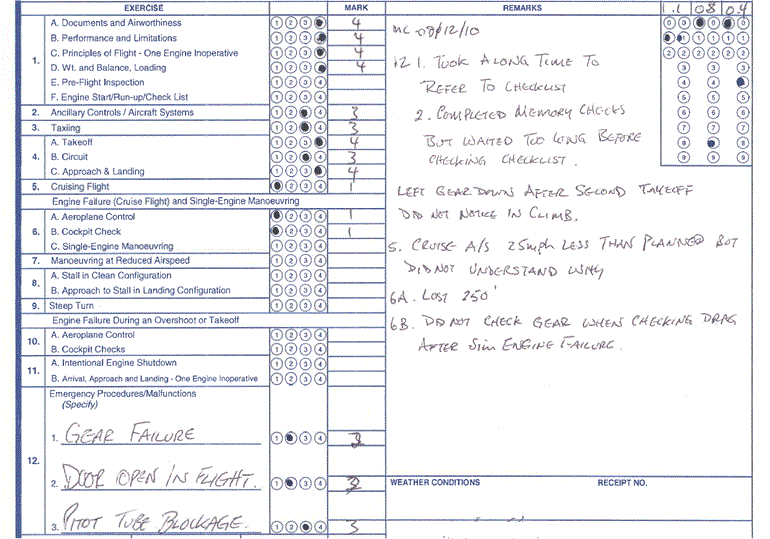
Learn from other students who have gone before you. This is the idea of this page. It is designed to ensure you know the common mistakes that have occured in the past. The idea is that if you are aware of these, you won't repeat them. This page is divided into two parts, the first is based on notes made by Flight Instructors following the debriefing that occurs after a flight test. The second part is comprised of the raw scanned Flight Test Reports (obviously excluding any information that might identify the student) so that you can read the actual comment recorded by the Pilot Examiner on the Flight Test Report that is submitted to Transport Canada.
There are a few overriding points to remember, however, as you approach your flight test, and while they are general in nature, they are crucial principles to follow as you get ready to receive your new licence or rating:
Be a Pilot, not a student—You have spent hour and hours learning your new qualificationn as a student, in which you have responded to the direction of your Flight Instructor. Now is the time to leave this behind. Provide your on direction. Take responsibility for all pre-flight and in-flight decision-making.
Don't Rush—This is critical. Remember the heart is beating fast on a flight test and candidates often become inclined to speed through the sequence of exercises. Don't do this. Take your time to ensure you are fully transitioned between flight exercises before you begin a newly assigned task. This "readiness" applies to both you and the airplane. Before you begin an assgnment, be sure the aircraft is on the speed you want, and that she is properly trimmed. Make sure you have established the aircraft on the starting heading and altitude targets. Bring up the sequences associated with exercise in your mind, and then indicate to the Pilot Examiner that you are ready to begin.
Understand before you demonstrate—You are used to responding to your Flight Instructor requesting the demonstration of an exercise, and the terms and phrases that he or she has used may be quite different to those used by the Pilot Examiner. Besure you know exactly what the Pilot Examiner has asked you to do. If you have any doubt, don't begin until you have clarity.
Safety overides The practice areas near Vancouver are extremely busy especially on good flying days typically used for flight tests. Remember that safety always had priority over the demonstration of a flight test exercise. You have the authority to interupt any demonstration sequence owing to safety (e.g., unexpected traffic), and the Pilot Examiner expects you do do so.
Flight Instructor Notes
-
Private and Commercial Pilot Flight Tests
-
Multi-engine Class Rating Flight Tests
-
Instrument Rating Flight Tests
Flight Test Report Samples
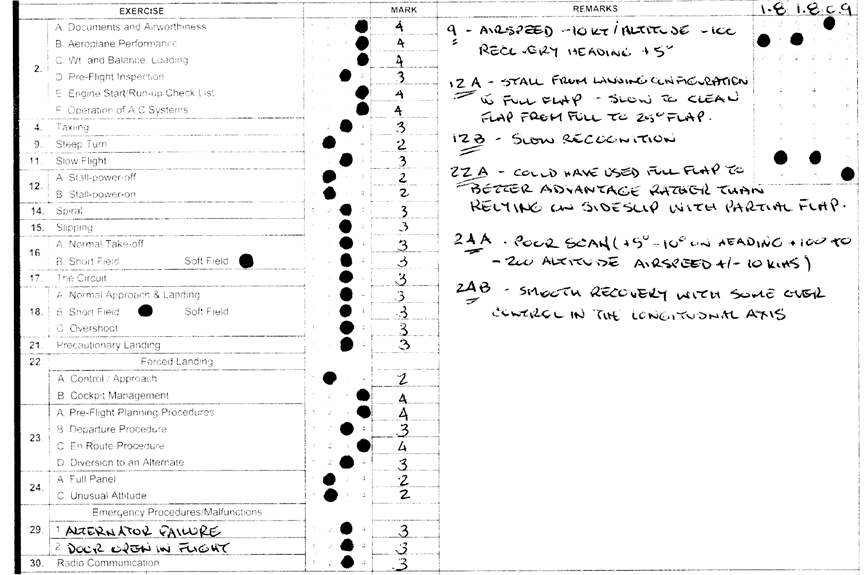
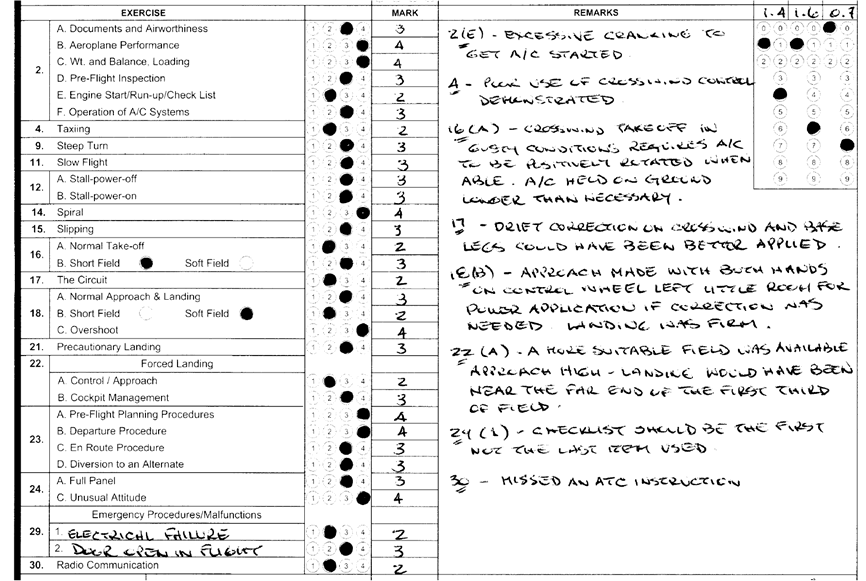
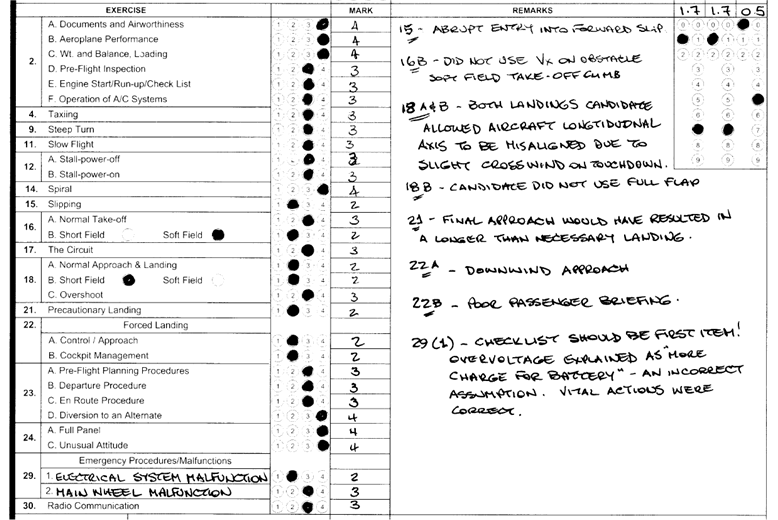
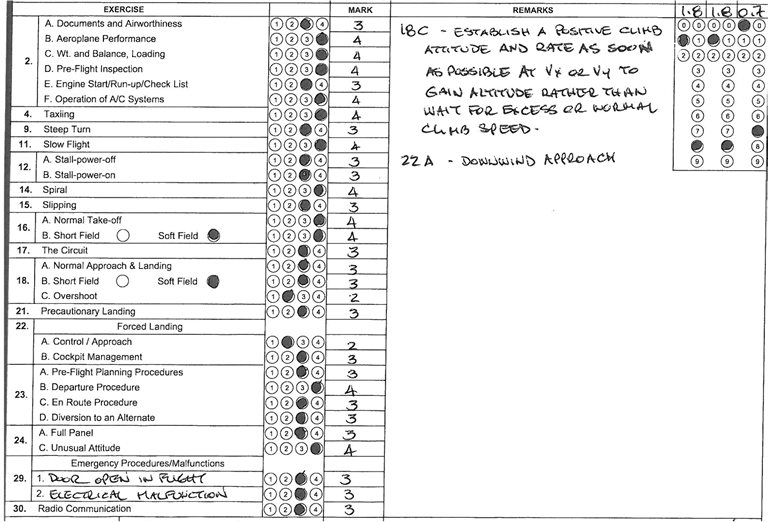
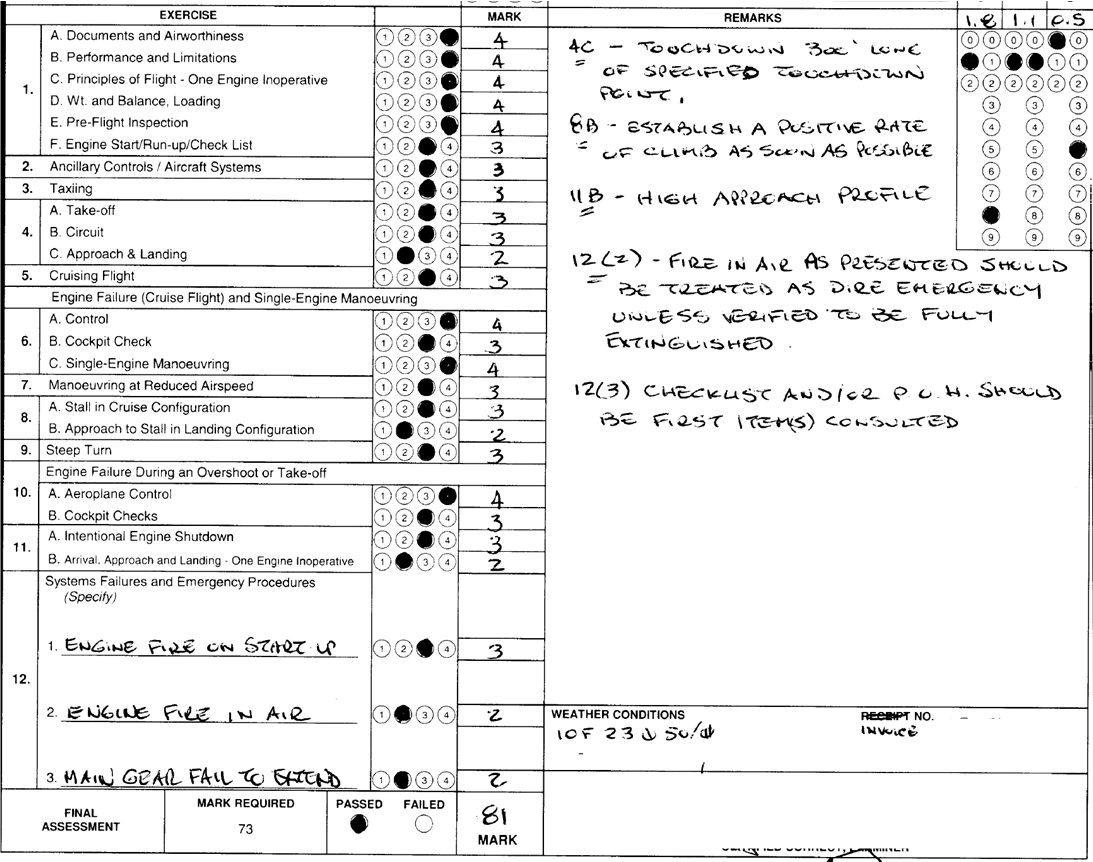
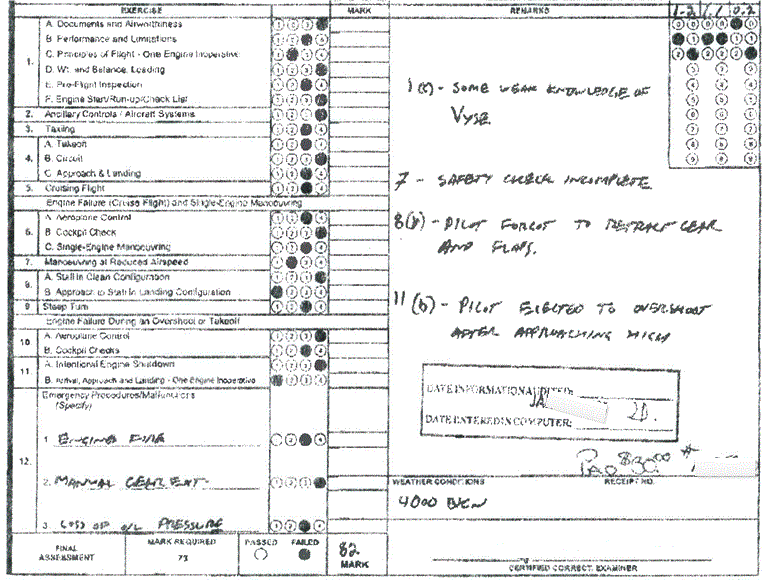
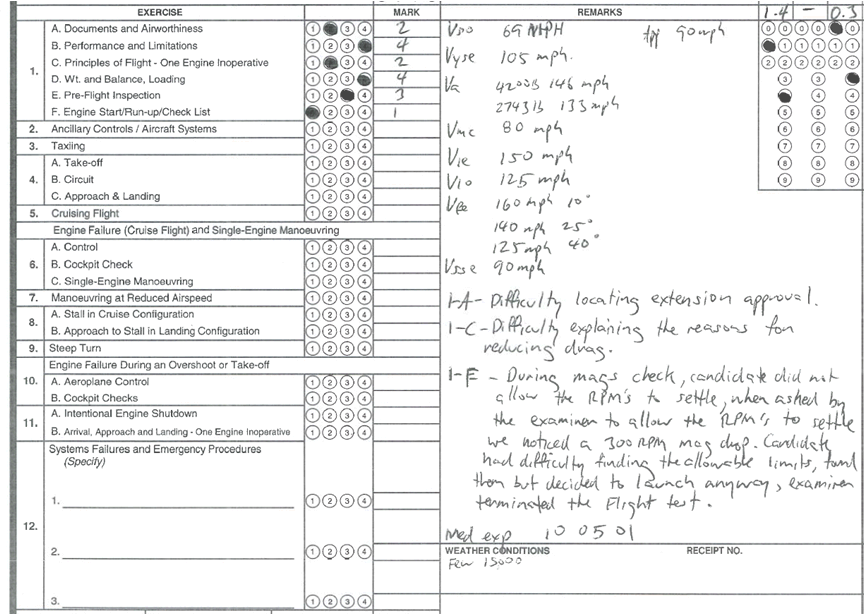
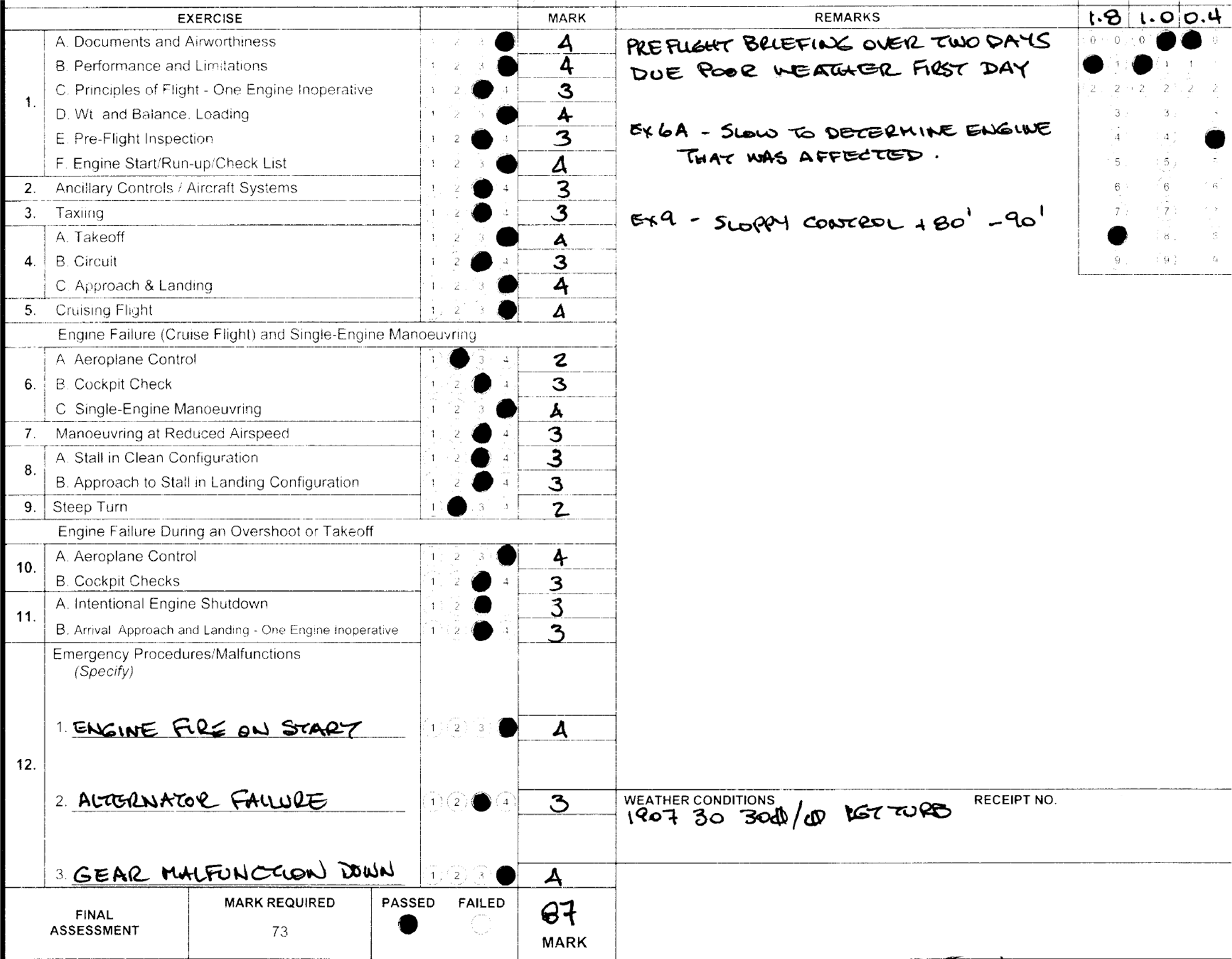
The collection of Flight Test Report samples below are derived from actual flight test results, so you will be reading raw Pilot Examiner notes. The idea, of course, is for you to read the comments of the examiner with the idea that you will know not to display in your own flight test. Unfortunately, the examiner comments are abridged and do not shed a lot of light on what occurred, but there should be enough information for you to get a sense of their general thinking leading to the mark-down. Remember that comments are only provided for scores of 2 or lower (i.e., 1). Therefore, when a candidate does well on an exercise, there will not be any more information other than the score of 3 or 4.
Private and Commercial Pilot Flight Tests
Weight and Balance |
A Private Pilot student calculated a takeoff, landing, and zero-fuel weight using the Basic Empty Weight and Centre of Gravity data for a similar but different aircraft. |
|
|
Steep Turn |
The Pilot Examiner asked the Commercial Pilot student to demonstrate a steep turn at 90 MPH. The student missed the switch-back point by about 30 degrees, and missed the roll-out (starting) point by approximately the same. |
|
|
Forced Approach |
During the simulated forced approach, a Commercial Pilot student found herself high and pushed the nose down to make the first one-third of the field. The airspeed accelerated from the best-glide target of 80 MPH to 103 MPH. |
|
|
Diversion |
During a diversion exercise assigned by the Pilot Examiner, the Private Pilot Student allowed the aircraft to skim the boundary of the Langley Control Zone without making contact with the tower (Class D airspace rules were in effect at the time). |
|
|
Aircraft Knowledge |
During the ground portion of a Private Pilot Flight Test, the student quoted the incorrect maneuvering speed for the aircraft flown. |
|
|
Navigation Planning |
In preparation for the navigation exercise, the Commercial Pilot student flight planned for an altitutude that was IFR (in cloud). |
|
|
Precautionary Landing |
During a precautionary landing exercise at a private grass runway next to a golf course, the Commercial Pilot student became disorganized in the circuit pattern, switching without apparent reason from one side of the runway to the other. |
|
|
Forced Approach |
During a forced approach from 3000' above Chilliwack Airport, the Commercial Pilot student ended short for the landing owing to misplanning for the winds. |
|
|
Accuracy Approach |
During an accuracy 180-degree approach, Commercial Pilot student used too aggressive and irratic maneuvering during the final approach. |
|
|
Steep Turn |
During a steep turn, a Private Pilot student lost 200' of altitude. |
|
|
Power-on Stall |
During the performance of a power-on stall, a Commercial Pilot delayed the recovery because the nose did not appear to drop. |
|
|
Slipping Turn |
While attempting a slipping turn during the simulated forced approach, a Private Pilot student inadvertently skidded the aircraft by applying the wrong rudder. |
|
|
|
Multi-engine Rating Pilot Flight Tests
Stall |
During a stall demonstration, the student failed to advance the mixture and propeller before the throttle was advanced. |
|
|
Single-engine Approach |
During a simulated single-engine approach, the student was too high and elected to execute a single-engine go-around too late. |
|
|
Stall |
During a stall demonstration, the student failed to retract the flap and gear during the recovery. |
Single-engine Approach |
During a simulated single-engine approach, the student assessed the aircraft was too high and elected to execute a single-engine go-around; the examiner felt the landing could have been completed. |
Engine Starting, Run-up and Use of Checklists |
During a run-up a student was prepared to continue with a departure dispite fouled spark plugs producing a mag drop beyond the permissible RPM specified in the checklist and pilot operating handbook. |
|
Instrument Rating Pilot Flight Tests
ILS Approach |
During an ILS approach, the student leveled the aircaft off at the decision height. |
|
|
ILS Approach |
During the vectored ILS approach the student flew through the localizer, exceeding one-half deflection on the course indicator. |
|
|
RNAV Approach |
Prior to crossing an intial approach fix during the RNAV approach, the student descended below the minimum altitude assigned by ATC. |
Private Pilot Flight Test Report Samples
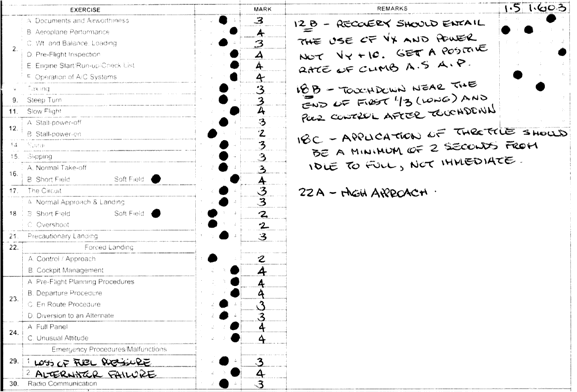
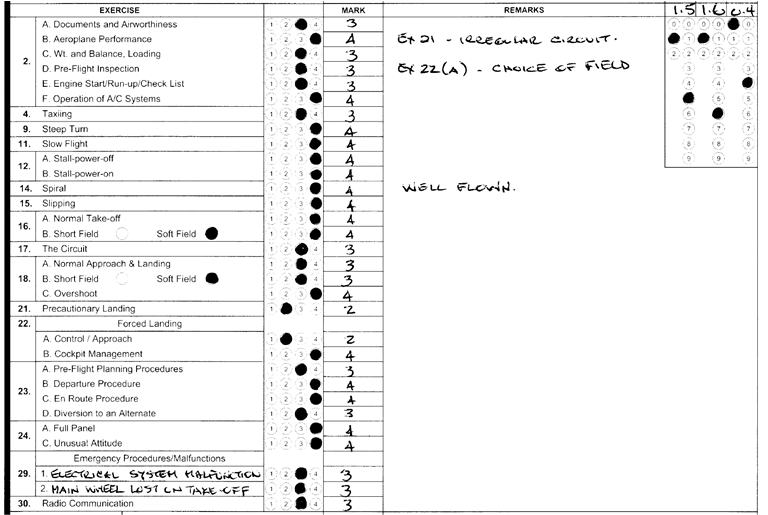
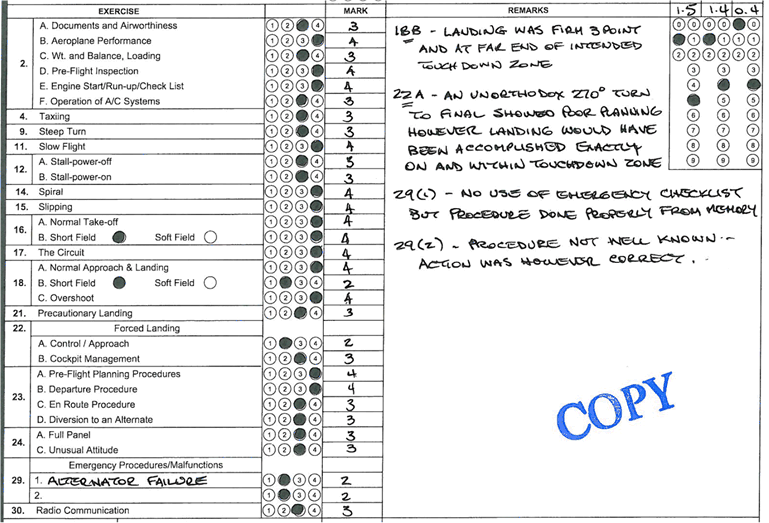
Commercial Pilot Flight Test Report Samples
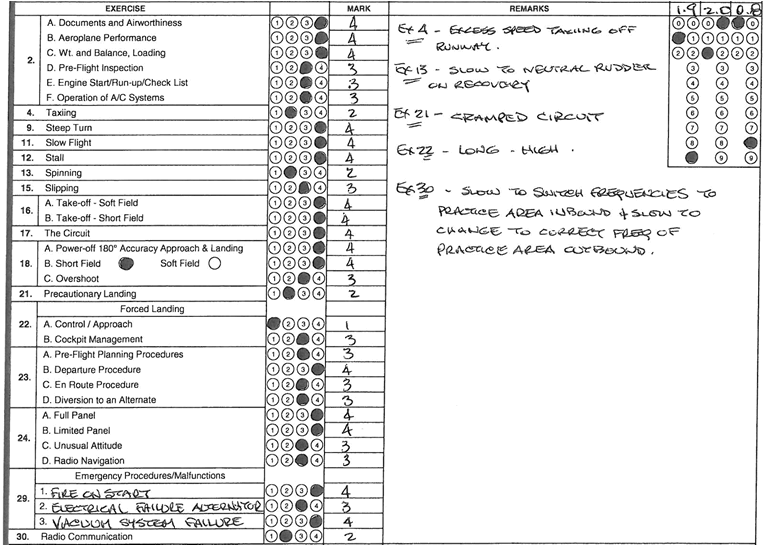
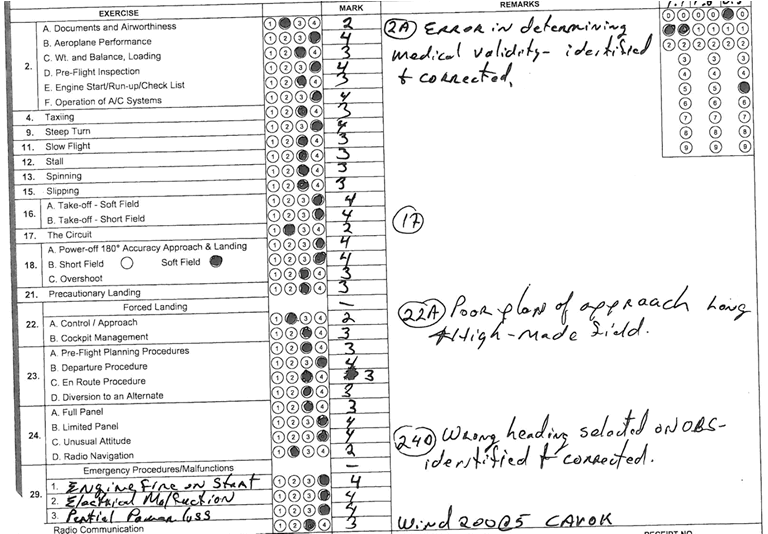
Multi-engine Class Rating Flight Test Report Samples
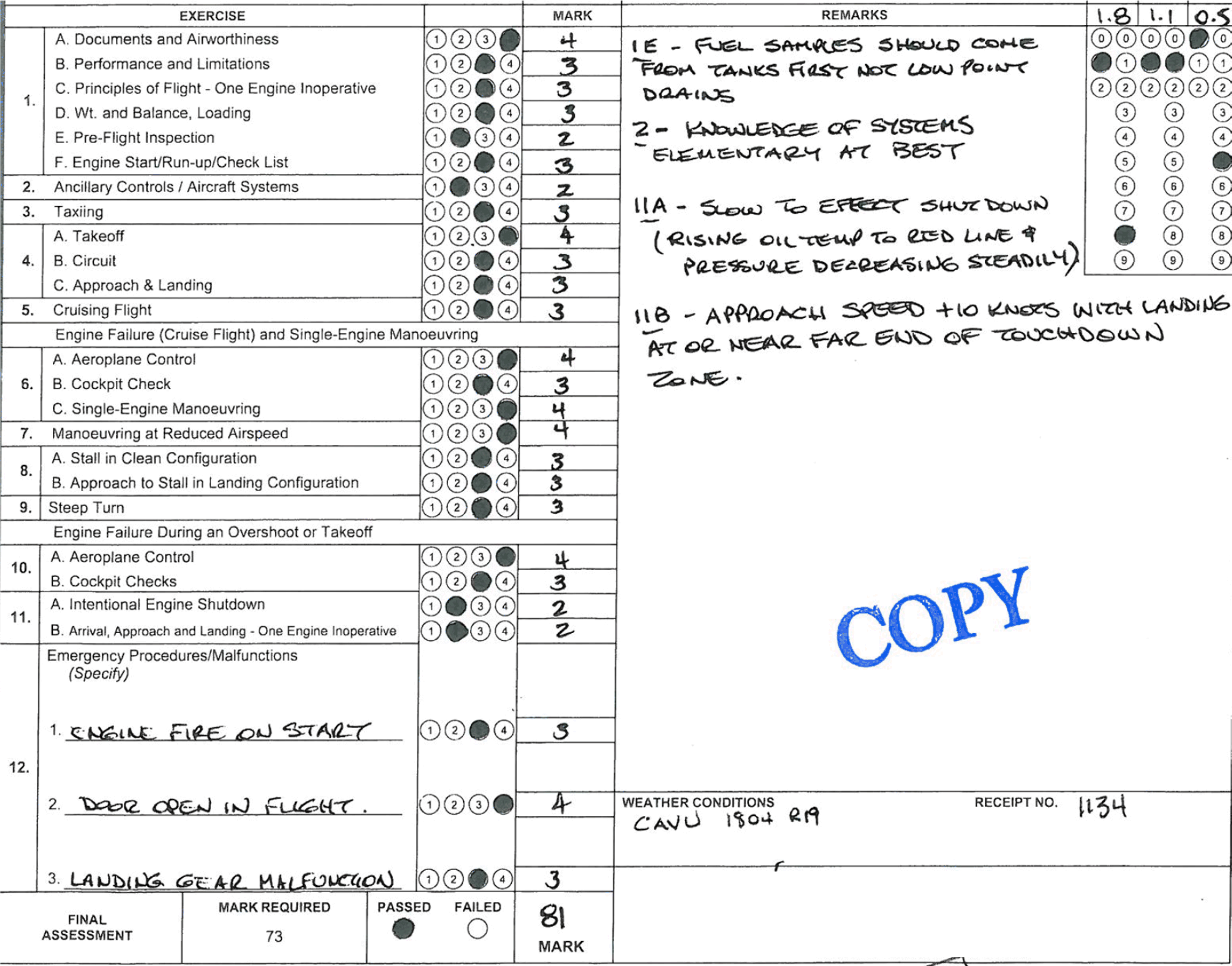
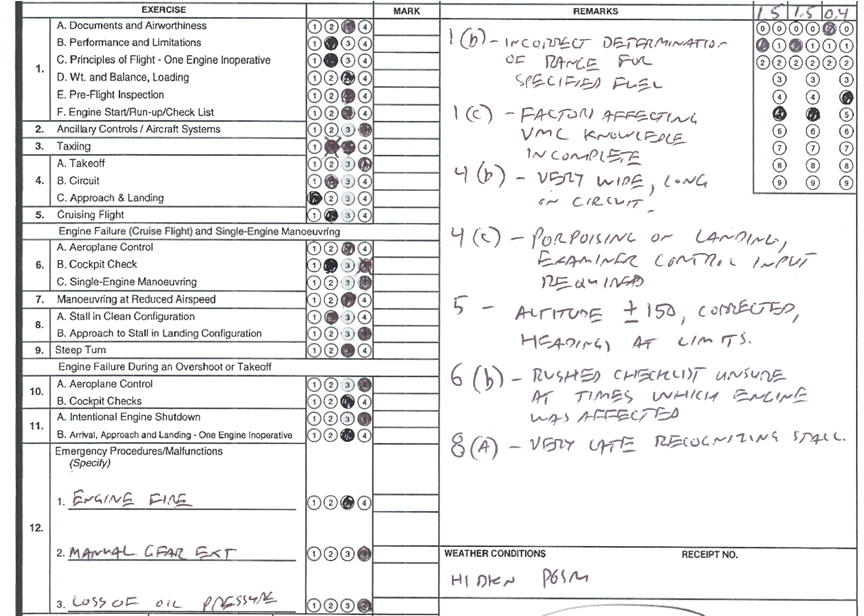
Group 1 (Multi-engine) Instrument Rating Flight Test Report Samples